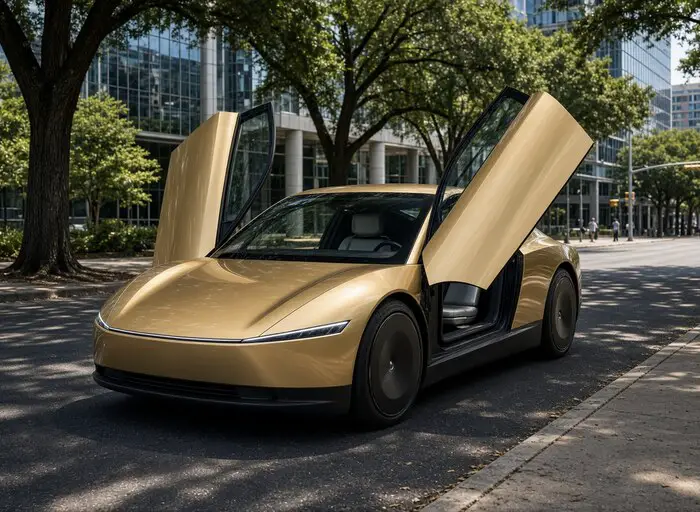
Tesla Cybercab Austin service is real. It is also small. Tesla began offering rides in the purpose-built two-seater on September 3 and 4. The car has no steering wheel, no pedals, and butterfly doors. Texas registration records cited by Reuters show 45 Cybercabs among about 420 autonomous vehicles Tesla has registered in the state. Waymo still fields the larger Texas fleet.
That mix — a public launch plus an immediate federal audit — is why Tesla Cybercab Austin is the phrase people are typing this week. This guide covers where it runs, how to book it, what NHTSA opened, and what to do if you ride or get hit.
Tesla Cybercab Austin in one minute
- Public Cybercab rides started in limited Austin zones on September 3, 2026.
- Book through the Tesla Robotaxi app. You can still pick a Model Y instead.
- The Cybercab seats two. Minimum passenger age is 13.
- Early testers say it stays on surface streets and does not serve Austin-Bergstrom yet.
- NHTSA opened Audit Query AQ26002 the same day, covering about 1,000 Cybercabs.
Reuters reported both the launch and the probe. Read the wire story here: U.S. auto safety regulator opens probe into nearly 1,000 Tesla Cybercabs.
Where Tesla Cybercab Austin actually runs
Tesla’s robotaxi site says Tesla Cybercab Austin rides are available only in some parts of the city. The company has not posted a block-by-block map. The app is the map. If your pin turns green, you are inside the geofence. If it does not, you are not.
Do not assume downtown, the Domain, or the airport are covered until the app shows a car. A MotorTrend rider who took five trips in 24 hours said the Cybercab stayed off freeways and would not drop at Austin-Bergstrom. Reuters testers also reported long waits and drop-offs that left them about a 15-minute walk from the pin.
Tesla Robotaxi Model Y service has been running in Austin since June 2025. The Cybercab is a new vehicle type inside that same app, not a new city. Treat Tesla Cybercab Austin as a limited overlay on an existing geofence, not a citywide taxi replacement.
How to hail a Tesla Cybercab Austin ride
- Download the Tesla Robotaxi app on iPhone or Android.
- Sign in with a Tesla Account.
- Set pickup and drop-off. Confirm both pins sit inside the live service area.
- Choose Cybercab (two seats) or Model Y (more seats).
- Match the plate and the exterior light color to the app.
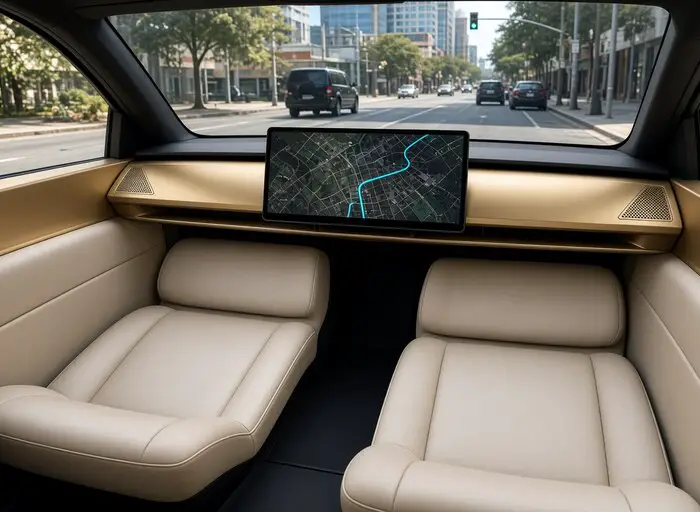
- Buckle up. Tap Start Ride on the center screen. The car will not move until belts are on and doors are shut.
Tesla published a rider guide as the launch approached. You can change a destination in the app mid-trip. You can also ask the car to pull over. Stay seated. The trunk opens from the app if you have bags.
Fares have been described as a low base plus a per-mile rate, with dynamic pricing later. Tesla has not locked a public rate card for every hour of the day. Check the estimate in the app before you confirm. Official product language lives on Tesla’s Robotaxi page.
What NHTSA is watching
The National Highway Traffic Safety Administration opened Audit Query AQ26002 on September 3. That is the same day Tesla put paying riders in the new car. The New York Times and Reuters both confirmed the filing.
The issue is not a crash report. The issue is certification. U.S. automakers self-certify that a vehicle meets Federal Motor Vehicle Safety Standards. The Cybercab has no permanently attached steering wheel, brake pedal, accelerator pedal, or conventional mirrors. NHTSA wants the process and technical data Tesla used to call that package legal.
The agency will also ask how far Tesla leaned on a claim that some FMVSS rules simply do not apply to a vehicle designed with no human driver. Amazon’s Zoox sought a formal exemption before a similar layout. Tesla did not take that path. An exemption can cap volume. Self-certification does not.
The audit covers on the order of 1,000 Cybercabs. Austin has 45 on the books. That gap tells you the review is about the expansion plan, not this week’s loop around downtown. NHTSA has said it supports automated vehicles and still intends to check the homework. Track official notices at NHTSA.gov and the agency’s document on the Cybercab in the New York Times report.
The audit is not a recall. It is not an order to park the fleet. Service can keep running while the file is open. That can change if NHTSA later disagrees with Tesla’s reading of the standards.
Insurance if you ride or get hit
Treat a Cybercab crash like any crash. Take photos. Call police. Then call insurers. The vehicle is Tesla’s commercial operation, not your personal Model Y.
Your own policy may still matter. Medical payments coverage can apply if you are a passenger. Collision and liability still apply if your car is the other vehicle. Do not assume “robotaxi” means Tesla writes a check before anyone asks questions.
If you plan to ride Tesla Cybercab Austin more than once a week, email your carrier. Ask, in writing, how they treat a passenger in a driverless commercial vehicle. Save the reply. Texas personal-auto forms were not drafted for a car with no steering wheel.
How Tesla Cybercab Austin compares with Waymo
Waymo still has the scale. Coverage of Texas DMV data put Waymo near 1,000 registered autonomous vehicles in the state, against Tesla’s 420, most of them Model Y robotaxis. Waymo also uses lidar and radar. Tesla is camera-only.
That difference is a product story and a regulator story. It is why Tesla Cybercab Austin headlines move stock and city hall at the same time. Gigafactory Texas is here. The Senate race is here. Traffic politics is here. For the rest of the 2026 ballot, see our 2026 Texas U.S. House races page. For the statewide contest that will inherit federal auto-safety fights, see Paxton vs Talarico: what the 2026 Texas Senate race means for you.
What to watch next
Three tells will decide whether Tesla Cybercab Austin stays a novelty or becomes a commute:
- Does the app geofence add the airport and freeways?
- Does NHTSA close AQ26002 with no restriction, or does it demand an exemption?
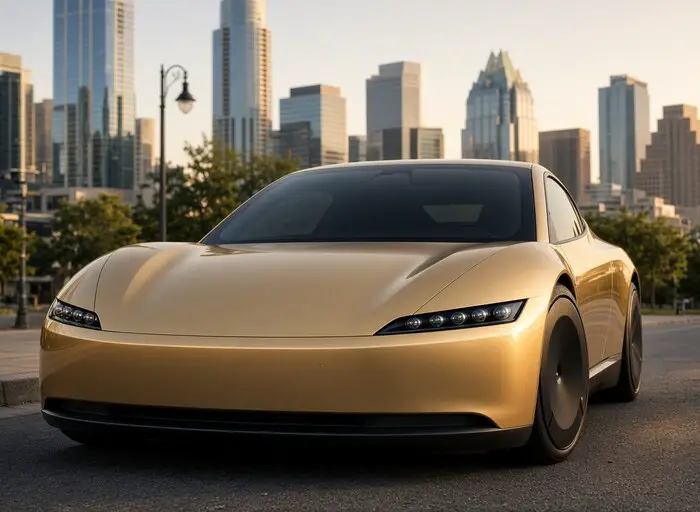
- Do the other 375 Tesla robotaxis in Texas stay Model Ys, or does the gold two-seater take over the fleet?
Until those three answers move, book the ride only if the pin is green, the wait is honest, and you have another way home. Tesla Cybercab Austin is open. It is not everywhere. It is not finished with Washington.
Related posts on Tex.org
- 2026 Texas U.S. House Races
- Paxton vs Talarico: What the 2026 Texas Senate Race Means for You
- 5 Texas Voter Groups That Decide Paxton vs Talarico
- Not the Polls: The Texan Who Will Pick the Next Senator
- 2026 U.S. Texas Congressmen
- Current List of Texas State Senators
Always confirm live zones and fares in the Tesla Robotaxi app before you step off the curb.